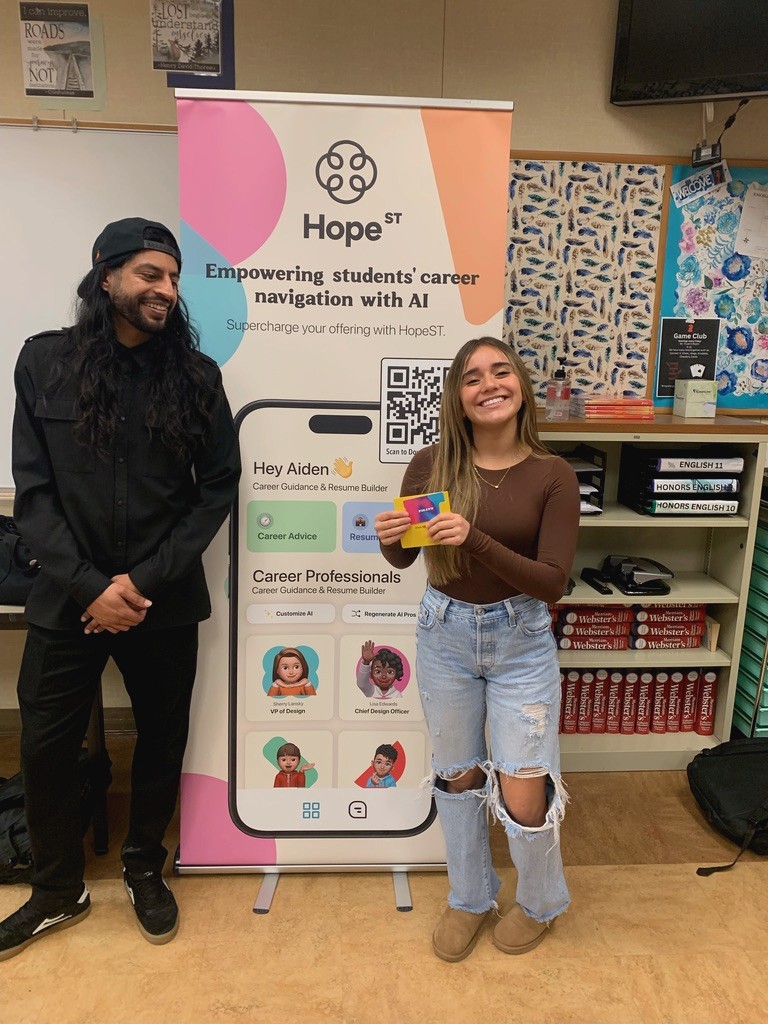
Helping students get confident and career ready

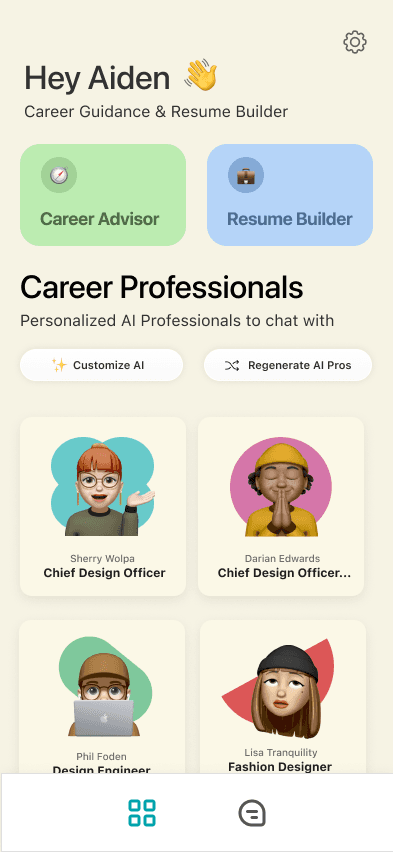
In 2024 I joined Hope Street Group, to rearchitect a traditional operations heavy nonprofit into a technology impact org that leverages AI to get students career ready. The first endeavor was creating the Hope Street app in partnership with two student collaborators from Sutter Union High School’s FBLA chapter, my alma mater, and exploring how design could make support systems more accessible and approachable for students. I led product, brand, and experience design—building a system that translates institutional complexity into something calm, clear, and emotionally intuitive.


The process was deeply collaborative, grounded in real student input and school environments. Rather than designing top-down, we built with the community—iterating on flows, tone, and interaction patterns to reduce friction in moments of need.


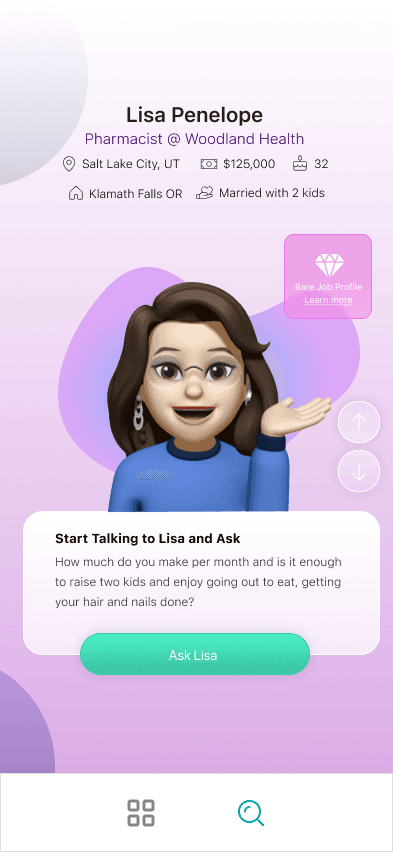
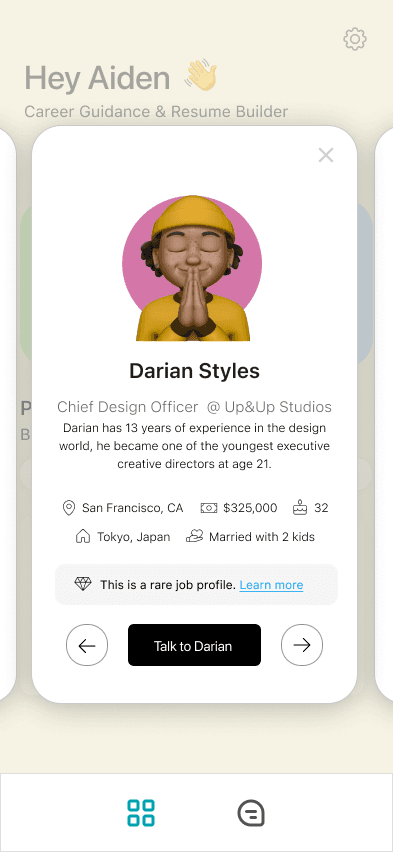
Imagine being a student in today's world, where many adults don't have the answers on how careers will be impacted by AI. Getting clarity across many professions at once with real national data behind it was enlightening to say the least.

Around 2014 we developed a concept for a cannabis delivery app, codenamed Meadow. At the time, cannabis was not recreationally legal in California, but had a growing medical cannabis industry and was lacking any modern tech. We streamlined the process for buying cannabis as a patient and Meadow eventually became the first cannabis startup accepted into Y Combinator.


This in-person experience left a lot to be unknown to the end user. We believed at the end of the day a medical cannabis patient should be able to access cannabis, especially given some of these patients did not have easy access to these dispensaries.


HopeST App

Launched at SUHS in January 2024, the app expanded across multiple high schools and into FBLA’s national organization, demonstrating a scalable model for student-centered support. (coverage via Appeal-Democrat)


Designing an ethically safe experience with guardrails while still allowing kids to understand what the real world might look like out there was deeply impactful. Students were able to see real world numbers attached to real demographics around the country for different professions which gave them guidance on how to think about their future.